
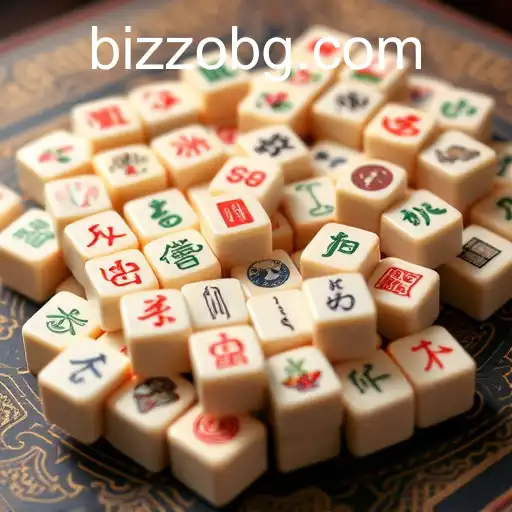
Discovering the Intricacies of Mahjong: A Cultural Phenomenon
Mahjong is more than just a game; it’s a cultural phenomenon that spans continents and generations. With its rich history and strategic depth, Mahjong has captivated players worldwide, making it an integral part of numerous societies. In this exploration, we delve into the nuances of Mahjong, understanding its appeal and the fundamental role it plays in various cultures.
The Origins of Mahjong
The game of Mahjong is believed to have originated in China during the late Qing Dynasty over a century ago. Originally known as Ma Que, meaning sparrow, its nomenclature has influenced the game’s identity across many cultures. Despite debates over its exact origins, Mahjong is predominantly considered a reimagined version of older card games combined with unique tile-based play.
The Basic Mechanics of Mahjong
Fundamentally, Mahjong is comprised of 144 tiles based on Chinese characters and symbols, though regional variations exist. The objective of the game is to collect sets of these tiles, typically groups of three or four, in sequences. The game is played by four players, each vying to complete a legal hand called a "Mahjong," which signifies victory. The rules emphasize both strategy and chance, with the element of randomness introduced through the draw and discard mechanics.
Regional Variations of Mahjong
Mahjong’s global appeal has led to the development of numerous variants. Depending on geographical regions, the rules, tiles, and even the number of tiles in play can vary significantly. Traditional Chinese Mahjong is considered the standard, but there are other notable versions, such as Japanese Riichi Mahjong, which incorporates additional rules and a notable scoring system. American Mahjong introduces a unique card to dictate hands, adding a layer of complexity and exclusivity to the gameplay.
Cultural Significance of Mahjong
For many, Mahjong is more than entertainment; it is interwoven with social and cultural tapestries. In China, it’s often a family affair, rooted in tradition and community. It is typical to see family gatherings or friends bond over a game of Mahjong, lending it a reputation as a bridge between generations. This cultural significance transcends borders; for example, the Chinese diaspora has carried this tradition worldwide, playing a crucial role in preserving cultural heritage.
Psychological and Social Benefits
Engaging in Mahjong can have numerous cognitive benefits, including improved memory and strategic thinking. Much like chess, Mahjong requires foresight and planning, encouraging players to anticipate opponents’ moves and strategize accordingly. Moreover, Mahjong provides social stimulation, fostering interpersonal interactions and cooperative play, thereby strengthening social bonds and communal ties.
The Online Evolution of Mahjong
In the age of technology, Mahjong has transitioned to digital formats, making it accessible to a wider audience. Today, countless online platforms offer virtual Mahjong experiences, with options ranging from solitary play to multiplayer competitions. This accessibility has allowed traditional Mahjong to gain traction among newer generations, ensuring its relevance and longevity in a tech-savvy world.
The Timeless Appeal of Mahjong
The lasting appeal of Mahjong lies in its perfect balance of complexity and simplicity. The game encapsulates the charm of unpredictability, akin to a metaphor for life, where outcomes are influenced by chance and strategy alike. Whether played casually among friends or competitively in tournaments, Mahjong remains a testament to its enduring allure and cultural significance.
For enthusiasts and newcomers alike, Mahjong represents not only a game but an intricate tapestry of culture, strategy, and social interaction. Its continued popularity underscores a universal appeal, bridging gaps between cultures and generations, solidifying its place in the pantheon of timeless games. As Mahjong continues to evolve and adapt, perhaps new aspects of this intricate game will surface, adding to its rich historical and cultural narrative.